
What do seeds mean to you?
Anatolian people have a myriad of traditions which starts and ends with seeds. Once upon a time, seeds were handed down to the bride as part of her bridal trousseau. She would plant seeds in soil wherever she went to, and thus, soil fertility could be maintained. In times of war, when people were forced to flee from their homes into exile, they would take the most precious thing they had – seeds – along with them and then hit the road for safer life. In Anatolia, where local communities from diverse cultural background are living together, people used to put a tree seed in the palm of the deceased before the burial. It was expected that the decedent would revive later and grow into a tree. When a Yörük (nomadic) woman migrated by following the rhythm of nature calendar, she would string seeds to a thread to make a necklace. Those were the seeds of what she had planted in soil she left behind, and she would carry it wearing around her neck like a jewel. We owe a lot to such people, who give away seeds in hand to others after thorough thinking. As if they are giving permission for their daughter to marry, they ask tons of questions like “which family are you from, where are you going to plant them?”; sometimes they exchange seeds through barter trade; and sometimes they hand them down basing their decision on trust primarily. Thanks to them, we still have heirloom seeds available today.
Lalehan Uysal
Seed Watcher
Every time I press the shutter,
I repeat the Anatolian man’s intention that
what he planted when sprinkling seeds on his soil is not only for man,
but for all living things;
these seeds to the worm,
to the bird, for the food…
and, adding another word,
‘and for the eye!’
“Life is Transformation” is the motto of Buğday Association, of which you are one of the founders. We also observe your great transformation. You made a career turn from magazines to exhibitions, and headed back to the origin of life – seeds. You have been striving for people to more appreciate the value of seeds. Why through photography?
Photography and the nature of seeds fit together easily – which is why I have chosen it. Just as seeds are reproduced through sowing, my photographs can also be reproduced in multiple copies after the photo shoot. This is actually what many people experience in daily life, at their homes.
In 2000, I quitted my position as the creative director of one of the leading magazines in Turkey. With a handful of people at my house, we transformed Buğday Dergisi from a newsletter into a magazine.
We worked hard to make it reach the masses.
I joined the ecological movement based on the principle of volunterism we call Buğday (Wheat) today. Viktor saved me from chronic stress at work through a career change, and helped me see that we can do totally different yet hugely rewarding things with a lasting effect, and moreover,we can change things I previously thought as carved in stone.
The 100% Ecological Market in Şişli is one of the signature projects we launched together with Viktor under the umbrella of Buğday. It emerged in the search of answers to that particular question asked by a friendly farmer. Sitting at the village coffeehouse in the region where some TaTuTa farms were located years ago, he said: “Viktor, my son, we believed; we worked hard; we did organic farming, but where are we going to sell our produce now?” In 2006, we established Turkey’s first ecological market in Şişli district. Since then, not only the number of organic markets, but also the number of municipalities showing interest in the subject has increased rapidly. Each project led to the launch and execution of new others one after another.
We initiated several projects on local heirloom seeds such as Long Live Seeds ( Yaşasın Tohumlar), Seed Exchange Network (Tohum Takas Ağı), and Seeds to Campus (Tohumlar Kampüse). All these projects took me one step closer to my childhood friends – seeds. I am not a person dealing with “soil to kitchen” stuff at all. I neither plant nor cook. So, I did my best in this process and began taking seed photographs for fear that they would rot, mold and disappear eventually. All I want is to observe nature and seeds, and go on with life by developing projects that will raise awareness on their enchanting diversity through my photography. It was pioneered by Victor Ananias whose name I remember with pride and gratitude. We lost him too early. The journal attracted attention considerably on agriculture and food among NGOs around the globe. This non-profit entity would soon be turned into an association. So, we established the Wheat Association for Supporting Ecological Living (Buğday Ekolojik Yaşamı Destekleme Derneği) of which we will be celebrating the 20th anniversary next year. Having access to financial resources as other NGOs, we gave momentum to several new projects we have ever wanted to work on. Also using my design education, I became one of the few people who have been actively involved in exemplary projects for sustainability of ecological life, dissemination of organic agriculture, and access to healthy food.
Your first exhibition was “The Jewels of Life: Seeds”. Could you tell us a bit more about the locations it was held, and the size of your seed photograpy collection on display?
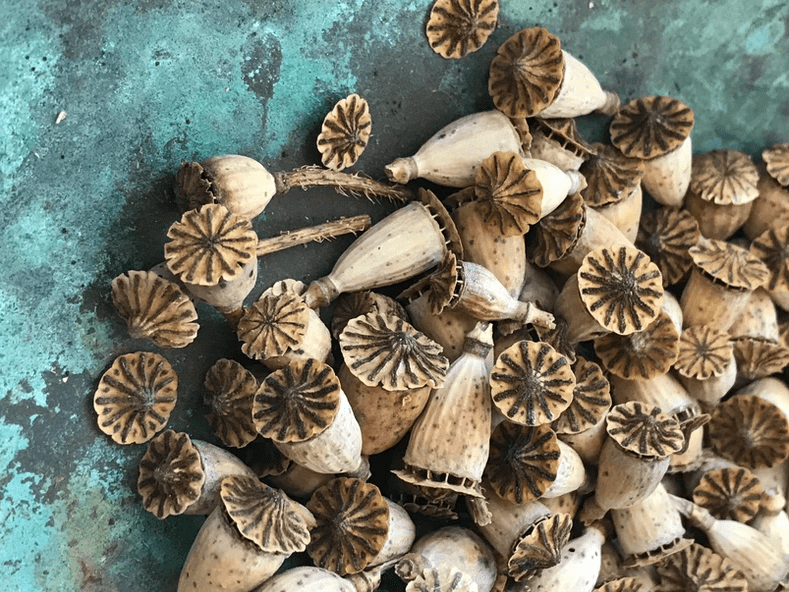
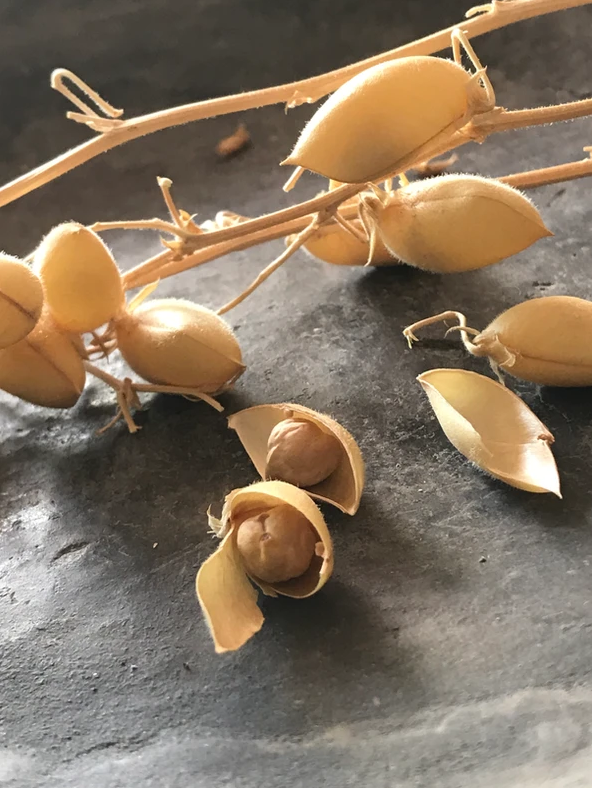
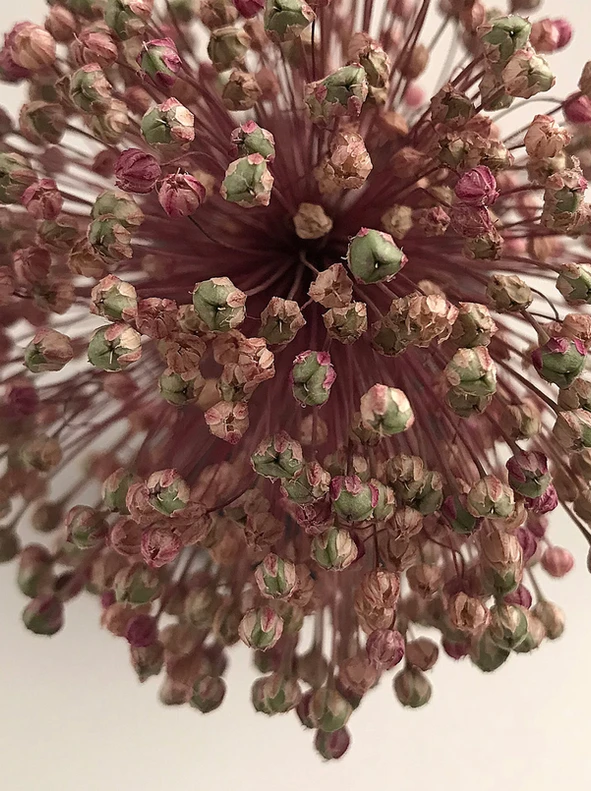
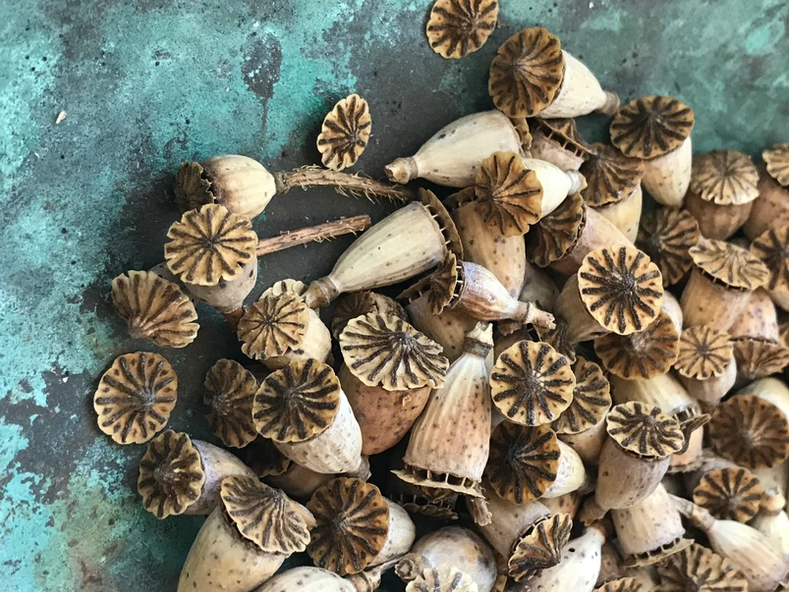
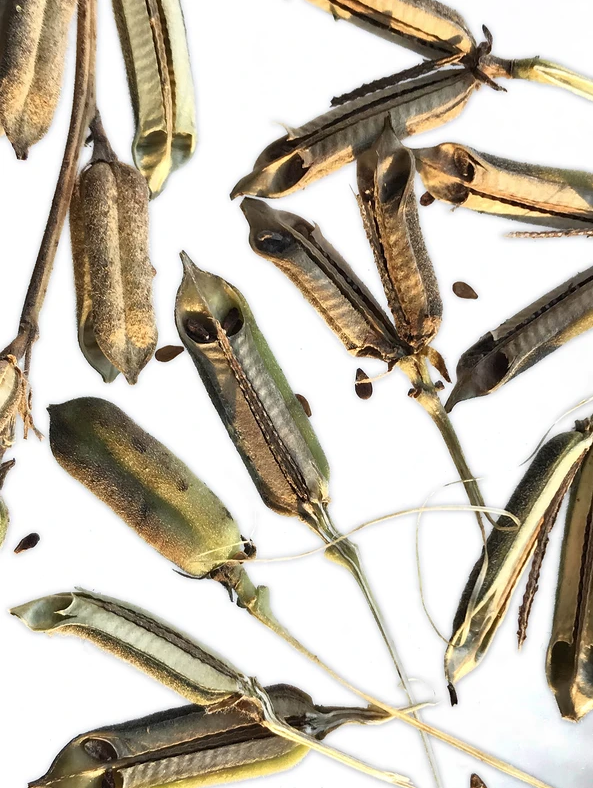
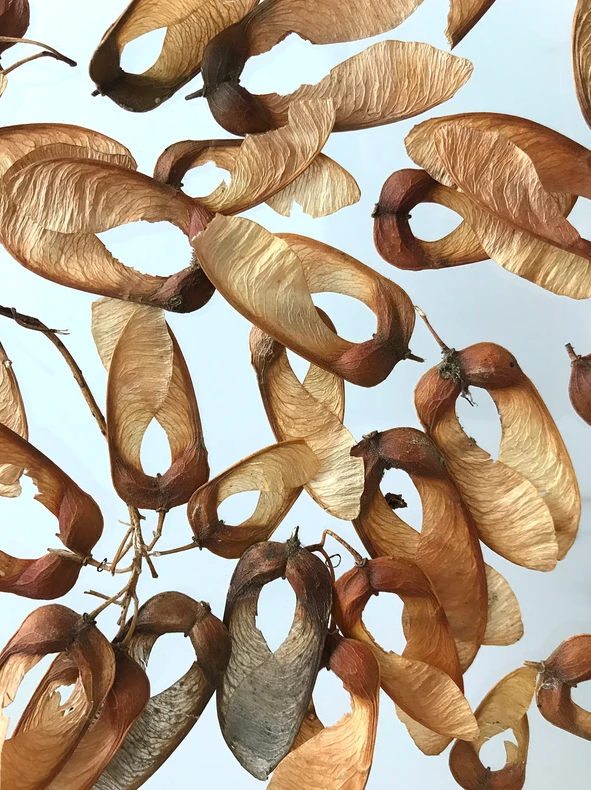
My seed photography works were first exhibited as part of an Oxford University symposium held in London last July. The theme of the year was “Seeds” at “Oxford Symposium on Food and Cookery”, which has been organized for over 40 years now. It is a highly prestigious symposium where academic studies spanning a wide spectrum of topics are presented. For this exhibition in particular, I had photographed about 20 indigenous Anatolian seeds, including Karakılçık (Dark-Bristled) Wheat, Çekirdeği Oyalı (Crocheted Seed) Watermelon, Maple, and Cyprus Acacia.
Seed is the source of life, the essence of life!
Lalehan Uysal
It is a symbol of natural life cycle containing
both life and death together in itself,
it is a miracle!
Your exhibition in London was followed by a series of new others in Turkey. Could you tell us about them?
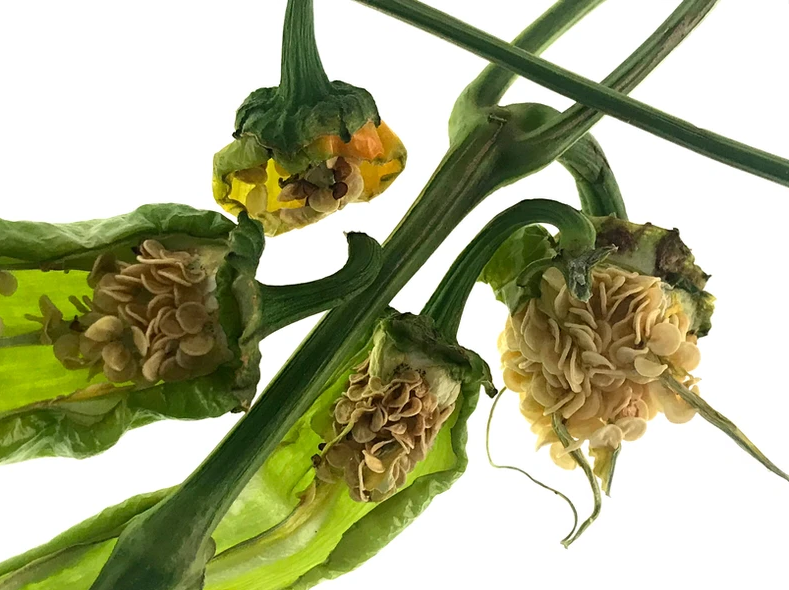
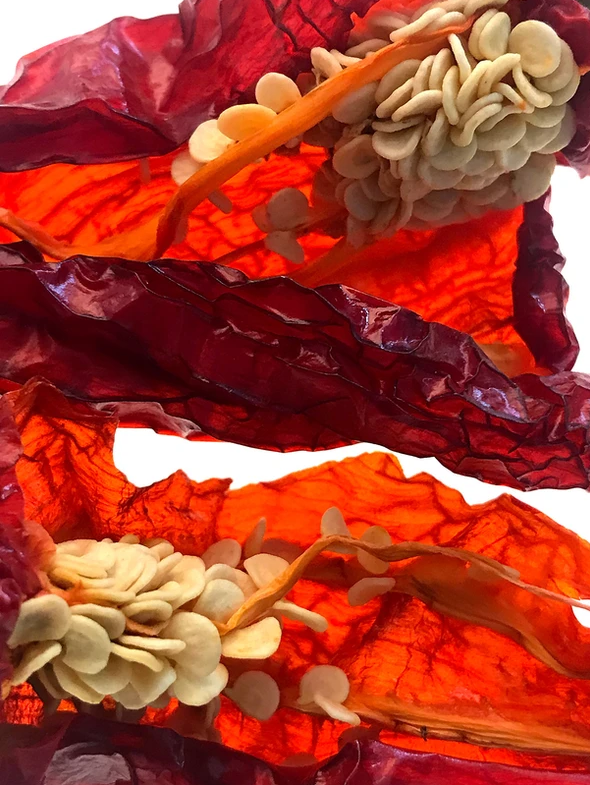
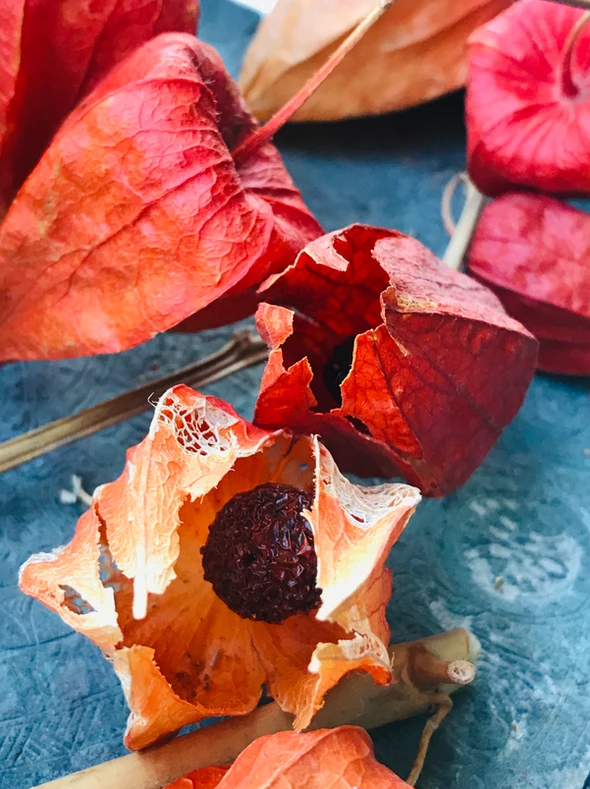
After my return from Oxford, I had received an invitation from Gaziantep Municipality to shoot photos of seeds collected from Gaziantep’s local growing environment. My exhibition, also including red and green pepper photos which made a hit with visitors, was the opening event of Gaziantep International Gastronomy Festival. Shortly after, I held my third exhibition at Adana Flavor Festival. Fertile soil of Çukurova and cotton had played the leading role, of course. Featuring an expanded portfolio of flower and tree seed photography, my fourth exhibition was held in April this year as part of the National Botanical Gardens Symposium at Düzce University. My first exhibition in Istanbul was a selection of seed photography works presented earlier at four different geographical locations mentioned above. It lasted long on display for public at Cihangir Ark Kültür and attracted great interest. I later took it to Gümüşlük town of Bodrum. Toprak Ev (Stone Quarry) is the classroom of International Gümüşlük Classical Music Festival, where I serve as the creative consultant, and it also hosts some of its concerts. In Toprak Ev, seeds of life and notes – or seeds of music – bloomed together. The 16th Istanbul Biennial was organized this year under the symbolic theme “Seventh Continent” – which refers to a gigantic mass of plastic waste floating in the ocean. Included in the list of parallel events to the Biennial, my last exhibition ran from September 15 to November 10 at Ogliv Sarı Köşk in Çengelköy district of Istanbul. It contributed to joint efforts to increase a sense of awareness on the issue.
Agriculture Tourism Exchange TaTuTa Project
TaTuTa is one of our major projects in this context. It is a network of organic farms marketing their certified organic agricultural produce. The number of organic farms in the network has increased annually, which led all stakeholders to come together for direct communication and networking at the international level. Visitors from different countries came to work voluntarily at these organic farms even while on vacation. Their exchange of information and experiences with locals contributed much to further enhancement of the project. Many other projects parallel to TaTuTa in scope were launched later on.
Could you tell us about your educational background?
I studied graphic design at now defunct School of Applied Fine Arts. Our teacher of German origin used to say, “A graphic designer must be an excellent photographer first of all.” All of our instructors including him were the representatives of Bauhaus school of design, an advocate of the principle that functional design precedes an art form. They made an effort to sharpen our eyesight to see beyond we look and make other people see it too. Mengü Ertel, a doyen of my profession, has as much a share in my educational background as the Bauhaus school. If I saw in seed something beyond I looked at, it is a direct result of what they all taught me. But, there is no diploma or certificate yet granted for my education to see nature, which I inherited from the women of my family my mother, my paternal and maternal grandmothers.
Turkey’s First Ecological Market
Viktor played a significant part in my personal transformation. He opened another door for me, and put me on track to move forward. He saved me from chronic stress at work through a career change, and helped me see that we can do totally different yet hugely rewarding things with a lasting effect, and moreover, we can change things I previously thought as carved in stone. He opened up my options and made me explore another direction than four others already available to me. The 100% Ecological Market in Şişli is one of the signature projects we launched together with Viktor under the umbrella of Buğday. It emerged in the search of answers to that particular question asked by a friendly farmer. Sitting at the village coffeehouse in the region where some TaTuTa farms were located years ago, he said: “Viktor, my son, we believed; we worked hard; we did organic farming, but where are we going to sell our produce now?” In 2006, we established Turkey’s first ecological market in Şişli district. Since then, not only the number of organic markets, but also the number of municipalities showing interest in the subject has increased rapidly. Each project led to the launch and execution of new others one after another. We initiated several projects on local heirloom seeds such as Long Live Seeds ( Yaşasın Tohumlar), Seed Exchange Network (Tohum Takas Ağı), and Seeds to Campus (Tohumlar Kampüse). All these projects took me one step closer to my childhood friends – seeds. I am not a person dealing with “soil to kitchen” stuff at all. I neither plant nor cook. So, I did my best in this process and began taking seed photographs for fear that they would rot, mold and disappear eventually. All I want is to observe nature and seeds, and go on with life by developing projects that will raise awareness on their enchanting diversity through my photography.
Lalehan Uysal
https://en.lalehanuysal.com/
hi@scintilla.com
+90 532 799 81 16
 ecopsychologists.com
Leave a comment